Be yourself; Everyone else is already taken.
— Oscar Wilde.
This is the first post on my new blog. I’m just getting this new blog going, so stay tuned for more. Subscribe below to get notified when I post new updates.
Be yourself; Everyone else is already taken.
— Oscar Wilde.
This is the first post on my new blog. I’m just getting this new blog going, so stay tuned for more. Subscribe below to get notified when I post new updates.

In JoJo’s Bizarre Adventure, a character called Boingo uses his stand ability to predict the future. But what was actually surprising was, it seems like he actually predicted the 9/11 attack! This manga was drawn in 1990, eleven years before the incident!!
There was a laughing plane and a man wearing a shirt with 911 written on it (However the 911 was removed in the 2015 anime version). Even the author was shocked when he came to know about this fact!


This is one of those anime facts that’ll make your jaw drop. A space adventure anime called Space Brothers was the first ever anime to have a person voice act from outer space.
In space, no one can hear you scream. Unless, that is, it’s in an anime. For the 31st episode of the anime series Space Brothers, real-life astronaut Akihiko Hoshide made a guest appearance on the show and actually recorded his part aboard the International Space Station (ISS).
Hoshide had this to say about being the first voice actor in space: “It was quite difficult, but I did my best. I am very excited to see what kind of an anime scene it will turn out to be.”
Talk about dedication! They actually made a real person go to outer space for the sake of keeping things real!!

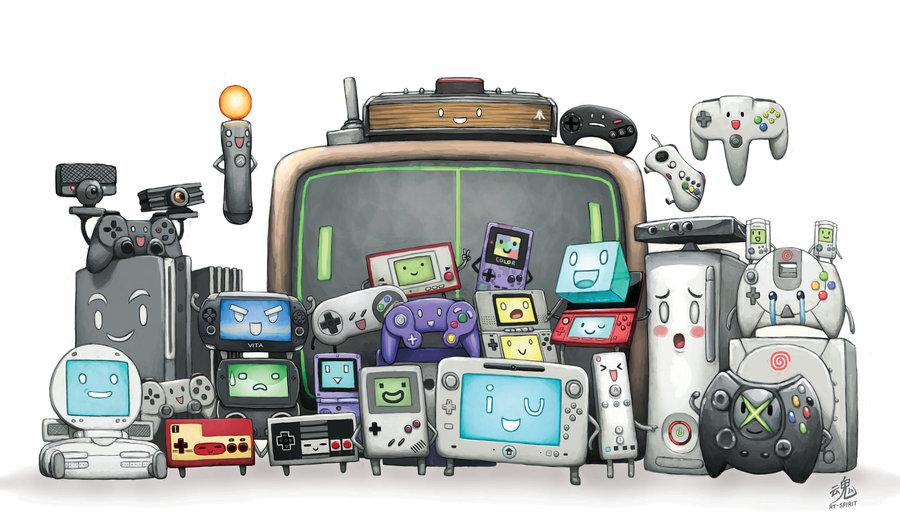
Since its commercial birth in the 1950s as a technological oddity at a science fair, gaming has blossomed into one of the most profitable entertainment industries in the world.
The mobile technology boom in recent years has revolutionized the industry and opened the doors to a new generation of gamers. Indeed, gaming has become so integrated with modern popular culture that now even grandmas know what Angry Birds is, and more than 42 percent of Americans are gamers and four out of five U.S. households have a console.
https://en.wikipedia.org/wiki/History_of_video_games
The Early Days
Though video games are found today in homes worldwide, they actually got their start in the research labs of scientists.
In 1952, for instance, British professor A.S. Douglas created OXO or, also known as Noughts and Crosses or a tic-tac-toe, as part of his doctoral dissertation at the University of Cambridge. And in 1958, William Higinbotham created Tennis for Two on a large analog computer and connected oscilloscope screen for the annual visitor’s day at the Brookhaven National Laboratory in Upton, New York.
In 1962, Steve Russell at the Massachusetts Institute of Technology invented Spacewar!, a computer-based space combat video game for the PDP-1 (Programmed Data Processor-1), then a cutting-edge computer mostly found at universities. It was the first video game that could be played on multiple computer installations.
Dawn of the Home Console
In 1967, developers at Sanders Associates, Inc., led by Ralph Baer, invented a prototype multiplayer, multi-program video game system that could be played on a television. It was known as “The Brown Box.”
Baer, who’s sometimes referred to as Father of Video Games, licensed his device to Magnavox, which sold the system to consumers as the Odyssey, the first video game home console, in 1972. Over the next few years, the primitive Odyssey console would commercially fizzle and die out.
Yet, one of the Odyssey’s 28 games was the inspiration for Atari’s Pong, the first arcade video game, which the company released in 1972. In 1975, Atari released a home version of Pong, which was as successful as its arcade counterpart.
Magnavox, along with Sanders Associates, would eventually sue Atari for copyright infringement. Atari settled and became an Odyssey licensee; over the next 20 years, Magnavox went on to win more than $100 million in copyright lawsuits related to the Odyssey and its video game patents.
In 1977, Atari released the Atari 2600 (also known as the Video Computer System), a home console that featured joysticks and interchangeable game cartridges that played multi-colored games, effectively kicking off the second generation of the video game consoles.
The video game industry had a few notable milestones in the late 1970s and early 1980s, including:
The Video Game Crash
In 1983, the North American video game industry experienced a major “crash” due to a number of factors, including an oversaturated game console market, competition from computer gaming, and a surplus of over-hyped, low-quality games, such as the infamous E.T., an Atari game based on the eponymous movie and often considered the worst game ever created.
Lasting a couple of years, the crash led to the bankruptcy of several home computer and video game console companies.
The video game home industry began to recover in 1985 when the Nintendo Entertainment System (NES), called Famicom in Japan, came to the United States. The NES had improved 8-bit graphics, colors, sound and gameplay over previous consoles.
Nintendo, a Japanese company that began as a playing card manufacturer in 1889, released a number of important video game franchises still around today, such as Super Mario Bros., The Legend of Zelda, and Metroid.
Additionally, Nintendo imposed various regulations on third-party games developed for its system, helping to combat rushed, low-quality software. Third-party developers released many other long-lasting franchises, such as Capcom’s Mega Man, Konami’s Castlevania, Square’s Final Fantasy, and Enix’s Dragon Quest (Square and Enix would later merge to form Square Enix in 2003).
In 1989, Nintendo made waves again by popularizing handheld gaming with the release of its 8-bit Game Boy video game device and the often-bundled game Tetris. Over the next 25 years, Nintendo would release a number of successful successors to the Game Boy, including the Game Boy color in 1998, Nintendo DS in 2004, and Nintendo 3DS in 2011.
The First Console War
Also in 1989, Sega released its 16-bit Genesis console in North America as a successor to its 1986 Sega Master System, which failed to adequately compete against the NES.
With its technological superiority to the NES, clever marketing, and the 1991 release of the Sonic the Hedgehog game, the Genesis made significant headway against its older rival. In 1991, Nintendo released its 16-bit Super NES console in North America, launching the first real “console war.”
The early- to mid-1990s saw the release of a wealth of popular games on both consoles, including new franchises such as Street Fighter II and Mortal Kombat, a fighting game that depicted blood and gore on the Genesis version of the game.
In response to the violent game (as well as congressional hearings about violent video games), Sega created the Videogame Rating Council in 1993 to provide descriptive labeling for every game sold on a Sega home console. The council later gives rise to the industry-wide Entertainment Software Rating Board, which is still used today to rate video games based on content.
In the mid-1990s, video games leaped to the Big Screen with the release of the Super Mario Bros. live-action movie in 1993, followed by Street Fighter and Mortal Kombat over the next two years. Numerous movies based on video games have been released since.
With a much larger library of games, lower price point, and successful marketing, the Genesis had leapfrogged ahead of the SNES in North America by this time. But Sega was unable to find similar success in Japan.
The Rise of 3D Gaming
With a leap in computer technology, the fifth generation of video games ushered in the three-dimensional era of gaming.
In 1995, Sega released in North America its Saturn system, the first 32-bit console that played games on CDs rather than cartridges, five months ahead of schedule. This move was to beat Sony’s first foray into video games, the Playstation, which sold for $100 less than the Saturn when it launched later that year. The following year, Nintendo released its cartridge-based 64-bit system, the Nintendo 64.
Though Sega and Nintendo each released their fair share of highly-rated, on-brand 3D titles, such as Virtua Fighter on the Saturn and Super Mario 64 on the Nintendo 64, the established video game companies couldn’t compete with Sony’s strong third-party support, which helped the Playstation secure numerous exclusive titles.
Simply put: Sony dominated the video game market and would continue to do so into the next generation. In fact, the Playstation 2, released in 2000 and able to play original Playstation games, would become the best-selling game console of all time.
The Playstation 2, which was the first console that used DVDs, went up against the Sega Dreamcast (released in 1999), the Nintendo Gamecube (2001), and Microsoft’s Xbox (2001).
The Dreamcast—considered by many to be ahead of its time and one of the greatest consoles ever made for several reasons, including its capability for online gaming—was a commercial flop that ended Sega’s console efforts. Sega pulled the plug on the system in 2001, becoming a third-party software company henceforth.
Modern Age of Gaming
In 2005 and 2006, Microsoft’s Xbox 360, Sony’s Playstation 3, and Nintendo’s Wii kicked off the modern age of high-definition gaming. Though the Playstation 3—the only system at the time to play Blu-rays—was successful in its own right, Sony, for the first time, faced stiff competition from its rivals.
The Xbox 360, which had similar graphics capabilities to the Playstation 3, was lauded for its online gaming ecosystem and won far more Game Critics Awards than the other platforms in 2007; it also featured the Microsoft Kinect, a state-of-the-art motion capture system that offered a different way to play video games (though the Kinect never caught on with core gamers or game developers).
And despite being technologically inferior to the other two systems, the Wii trounced its competition in sales. Its motion-sensitive remotes made gaming more active than ever before, helping it appeal to a much larger slice of the general public, including people in retirement homes.
Towards the end of the decade and beginning of the next, video games spread to social media platforms like Facebook and mobile devices like the iPhone, reaching a more casual gaming audience. Rovio, the company behind the Angry Birds mobile device game (and, later Angry Birds animated movie), reportedly made a whopping $200 million in 2012.
In 2011, Skylanders: Spyro’s Adventure brought video games into the physical world. The game required players to place plastic toy figures (sold separately) onto an accessory, which reads the toys’ NFC tags to bring the characters into the game. The next few years would see several sequels and other toy-video game hybrids, such as Disney Infinity, which features Disney characters.
The 8th and current generation of video games began with the release of Nintendo’s Wii U in 2012, followed by the Playstation 4 and Xbox One in 2013. Despite featuring a touch screen remote control that allowed off-TV gaming and being able to play Wii games, the Wii U was a commercial failure—the opposite of its competition—and was discontinued in 2017.
In 2016, Sony released a more powerful version of its console, called the Playstation 4 Pro, the first console capable of 4K video output. In early 2017, Nintendo released its Wii U successor, the Nintendo Switch, the only system to allow both television-based and handheld gaming. Microsoft will release its 4K-ready console, the Xbox One X, in late 2017.
With their new revamped consoles, both Sony and Microsoft currently have their sights set on virtual reality gaming, a technology that has the potential to change the way players experience video games.
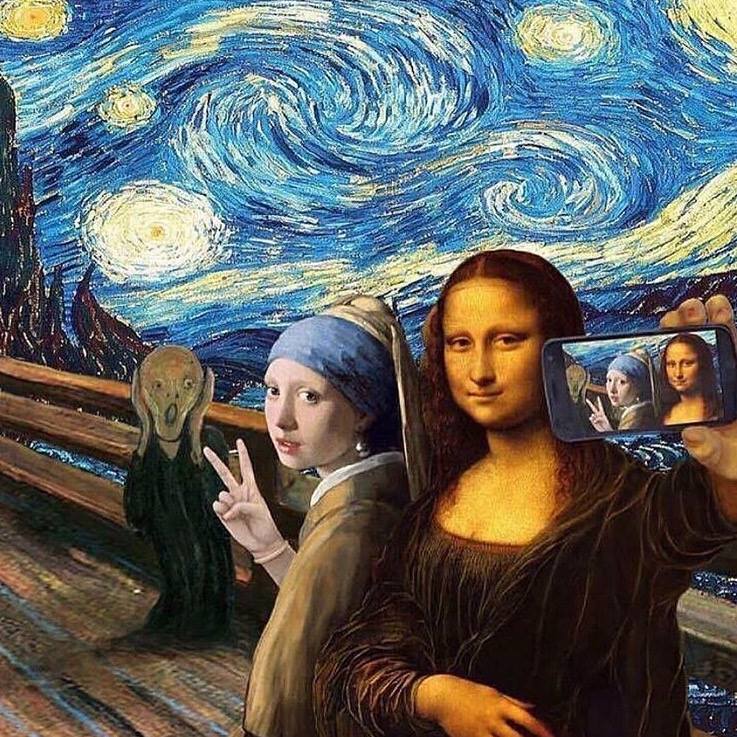
Art can be made in different types of way music, poetry, dance and so on. However, paintings are timeless and something that brings you back to where it all started. “Every artist dips his brush in his own soul, and paints his own nature into his pictures,” as said by Henry Ward Beecher.
The list below features 10 classic paintings that you should check out:
1. The Starry Night
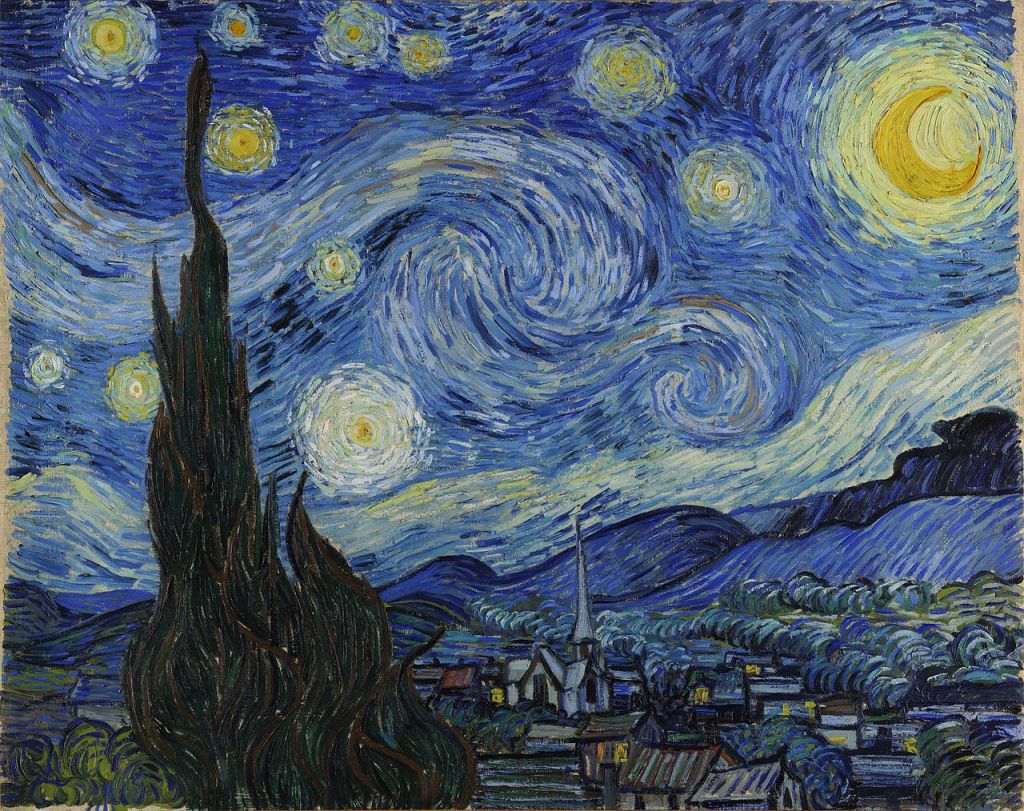
The small town depicted in Vincent van Gogh’s The Starry Night is Saint-Remy-de-Provence in the south of France. Van Gogh painted the work while he was a patient at the Saint-Paul-de-Mausole, a psychiatric hospital in Saint-Remy. Presently, the hospital has a wing named after the painter.
2. American Gothic
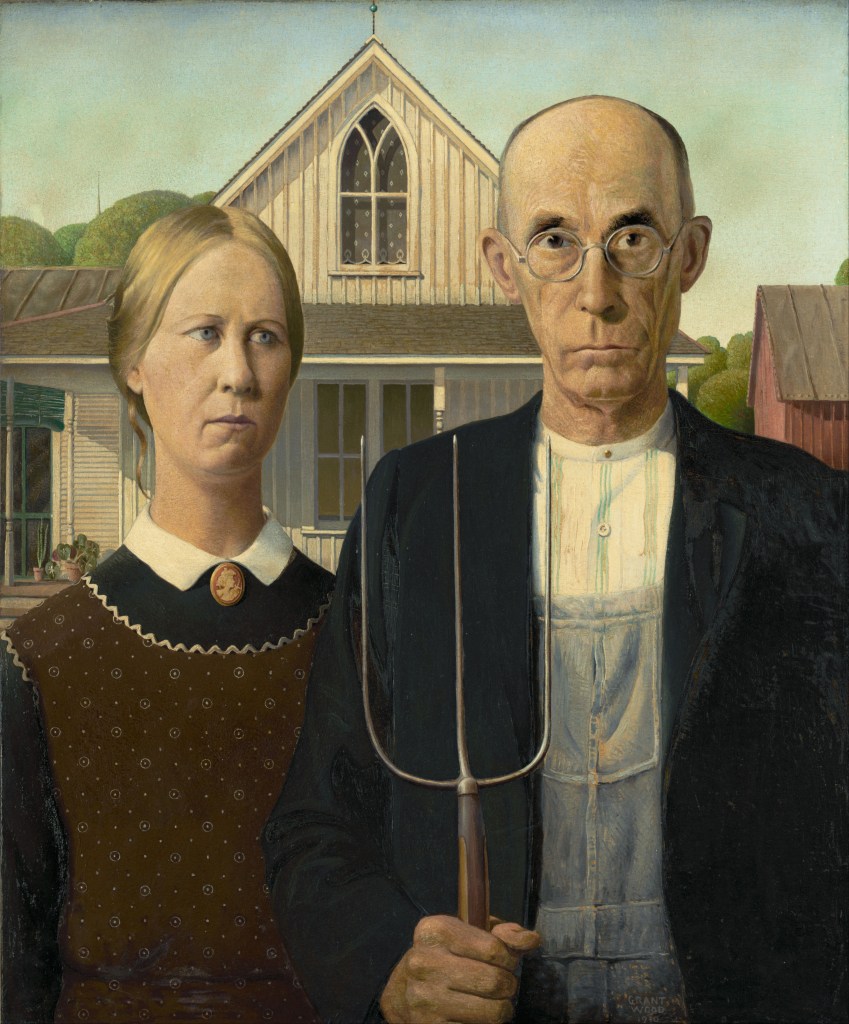
Another famous painting with interesting models is Grant Wood’s American Gothic, which can be seen on view in the collection of the Art Institute of Chicago. To depict—for better or worse—the ideals of rural America, Wood wanted to use his mother, Hattie, as a model for his painting. Wood determined that standing for so long would be far too exhausting for his mother, so he had his sister wear his mother’s apron and pin while posing. For the male subject in the painting, Wood used his 62-year-old dentist.
3. The Last Supper
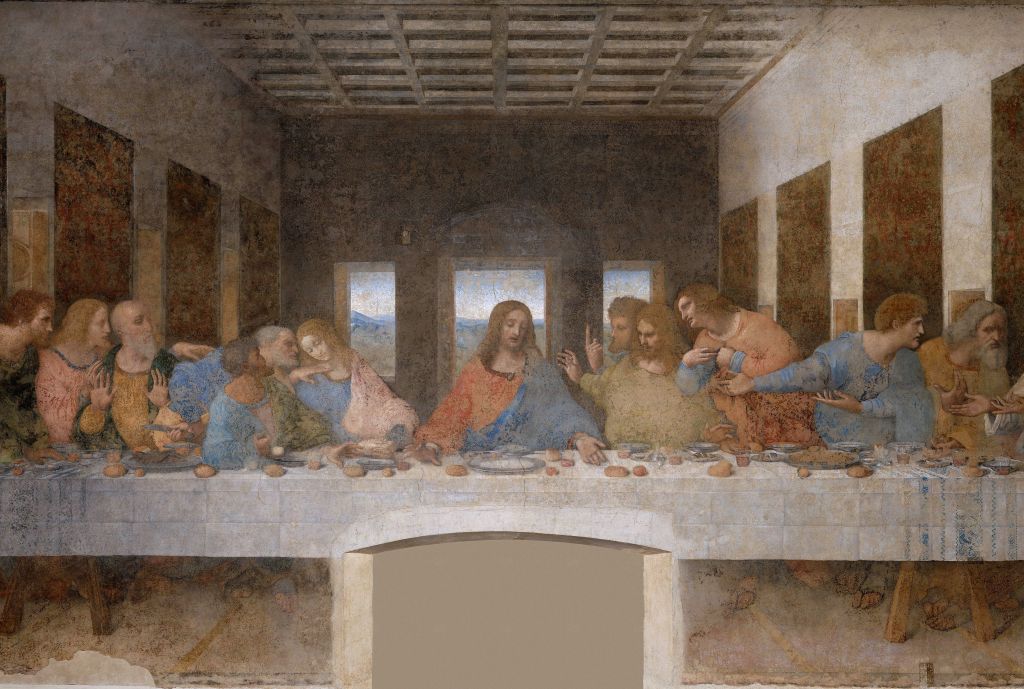
Da Vinci’s other most famous work—which can be seen in the Convent of Santa Maria delle Grazie in Milan, Italy—originally included Jesus’ feet. But in 1652, while installing a doorway in the refectory where the painting is on view, builders cut into the bottom-center of the mural, lopping off Jesus’ feet.
4. The Scream
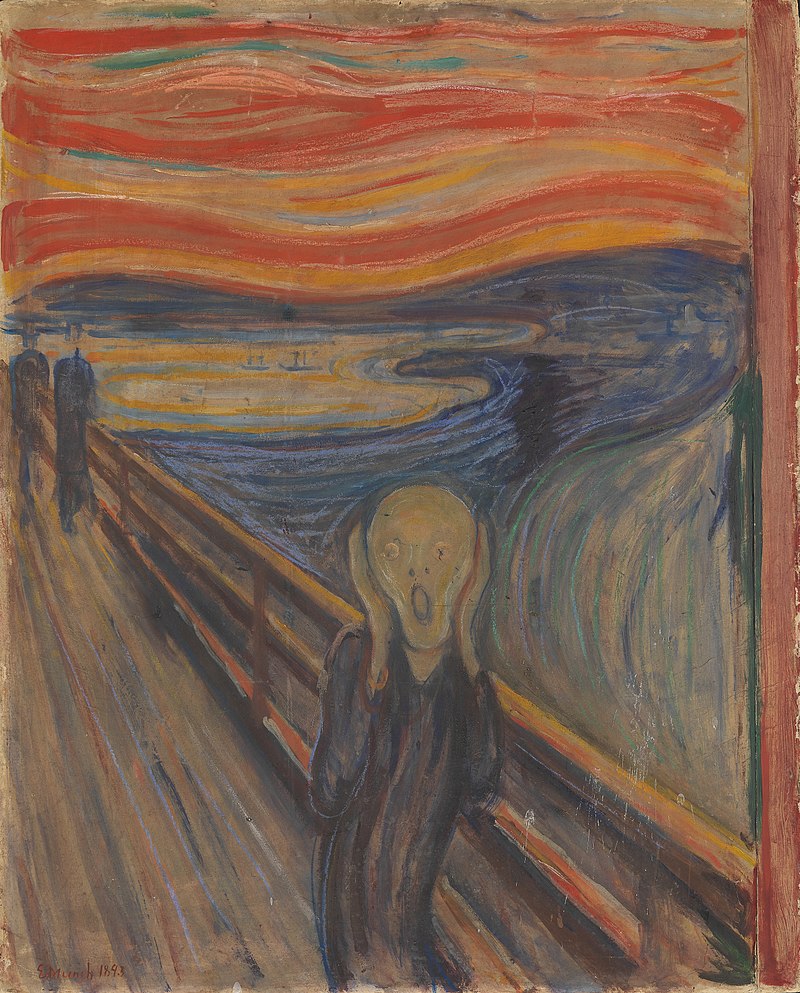
There are technically five separate versions of Expressionist artist Edvard Munch’s most famous work, The Scream. The first two, from 1893 and created with tempera and crayon on cardboard, are located in the National Gallery in Oslo and the Munch Museum, respectively. A privately owned third version created in 1895 with pastels recently sold for nearly $120 million at auction. Yet another version from 1895 is a black and white lithograph. A final version, done in 1910 by Munch due to the popularity of the previous incarnations, is also held in the Munch Museum, and it made headlines in recent years for being stolen in 2004 and recovered in 2006.
5. Nighthawks
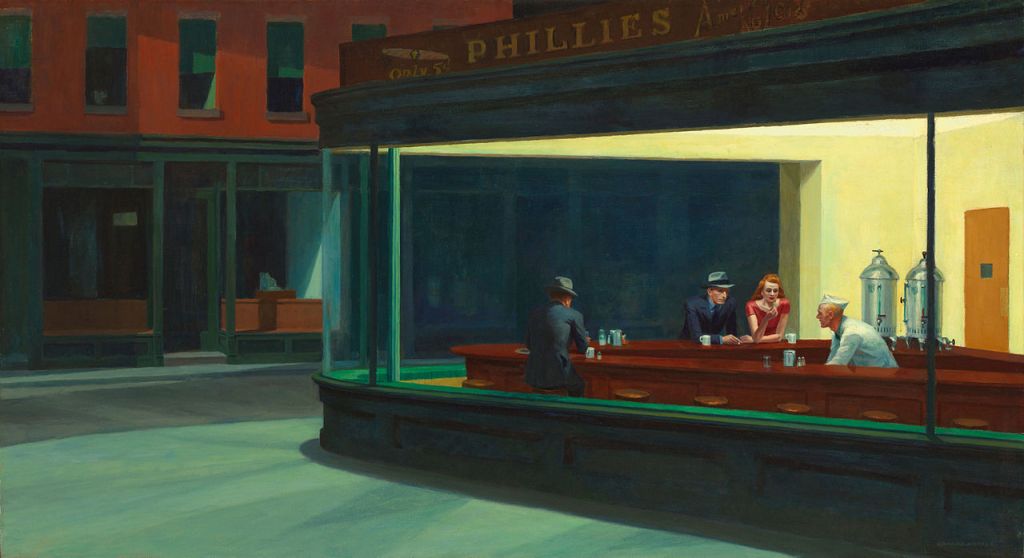
Another painting in the collection of the Art Institute of Chicago is Edward Hopper’s Nighthawks. Hopper allegedly based the painting on a diner that was located in New York City’s Greenwich Village in an area where Greenwich Street meets 11th Street and 7th Avenue called Mulry Square. But he actually based the painting on an all-night coffee stand. “I simplified the scene a great deal and made the restaurant bigger,” he said. “Unconsciously, probably, I was painting the loneliness of a large city.”
6. The Creation of Adam
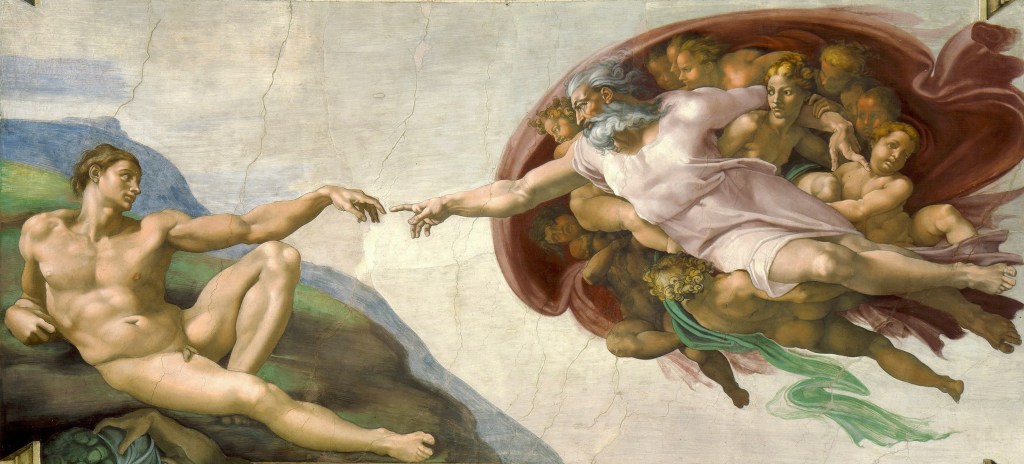
Michelangelo painted the fresco ceiling of the Sistine Chapel—including the most famous panel called “The Creation of Adam,” which depicts God giving life to the first man—entirely standing up. The artist invented a series of scaffolds specially designed to attach to the chapel walls with brackets so he and his assistants could be close enough to the ceiling to reach above their heads to work and paint.
7. Girl with a Pearl Earring
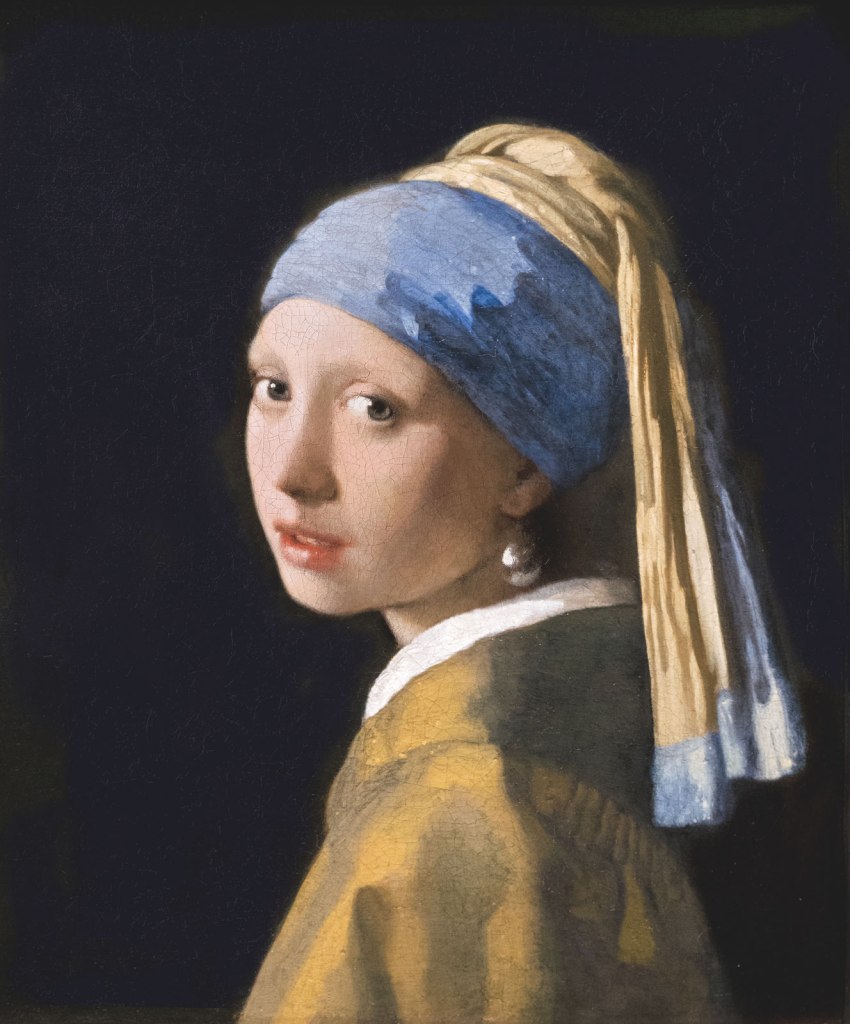
Much like the Mona Lisa, the subject of Johannes Vermeer’s Girl with a Pearl Earring has been highly contested—but for the most likely candidate, Vermeer didn’t have to look far. The model for his painting is thought to be his daughter Maria.
8. The Persistence of Memory
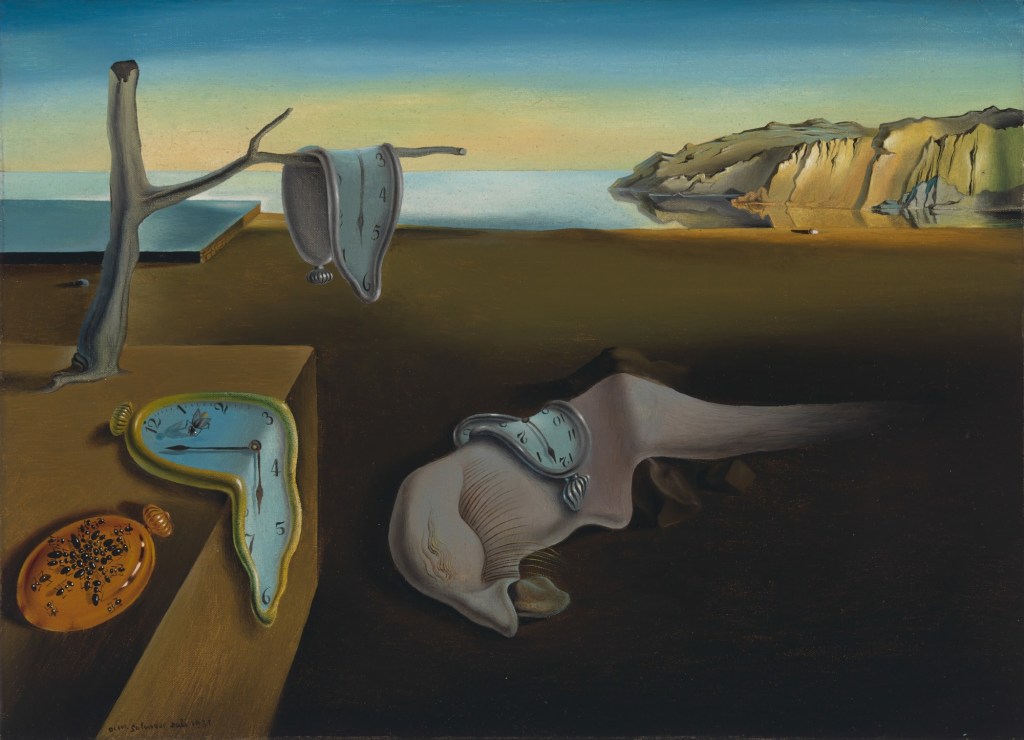
Though the notoriously plucky artist Salvador Dali sought to never explain his own work, he has said that the idea for his iconic melting clocks came from chunks of Camembert cheese he observed melting in the sun—although he may have been joking.
9. Les Demoiselles d’ Avignon

Picasso’s abstract depiction of five Barcelona prostitutes was deemed immoral when it debuted at the artist’s studio in 1907. Picasso created over 100 preliminary sketches and studies before setting his vision down on canvas, and in previous incarnations the figure at the far left was a man.
10. Mona Lisa

While some claim that Leonardo da Vinci’s most famous painting is a self-portrait of the artist himself in drag, research has concluded it is likely a portrait of a woman named Lisa Gherardini, a member of a prominent Florentine family and wife of a wealthy silk merchant. Leonardo’s father allegedly knew Gherardini’s father very well, and the painting was possibly commissioned by him.

Sometime between 1500 and 1565 an “enormous” deposit of very pure and solid graphite was discovered near Borrowdale parish, Cumbria, England. The substance appeared to be a form of lead, and consequently it was called plumbago, the Latin word for lead ore. The material could easily be sawn into sticks; the locals found that it was very useful for “marking sheep.”
The Cumbria deposit was the only large scale deposit of graphite ever found in this solid form, and until the end of the 18th century this deposit remained the only source of graphite for pencils, allowing England to retain a monopoly on solid graphite used for pencils until about 1860.
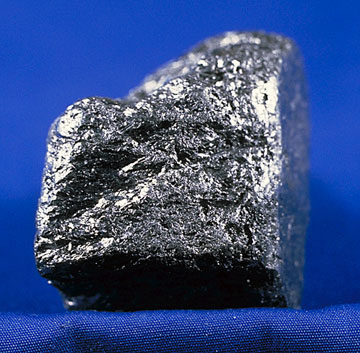
Other aspects of the early history of the pencil remain uncertain. Simonio and Lyndiana Bernacotti are believed to have created the first carpentry pencil. They did this by hollowing out a stick of juniper wood. “Shortly thereafter, a superior technique was discovered: two wooden halves were carved, a graphite stick inserted, and the two halves then glued together—essentially the same method in use to this day. The black core of pencils is still referred to as ‘lead,’ even though it never contained the element lead.”
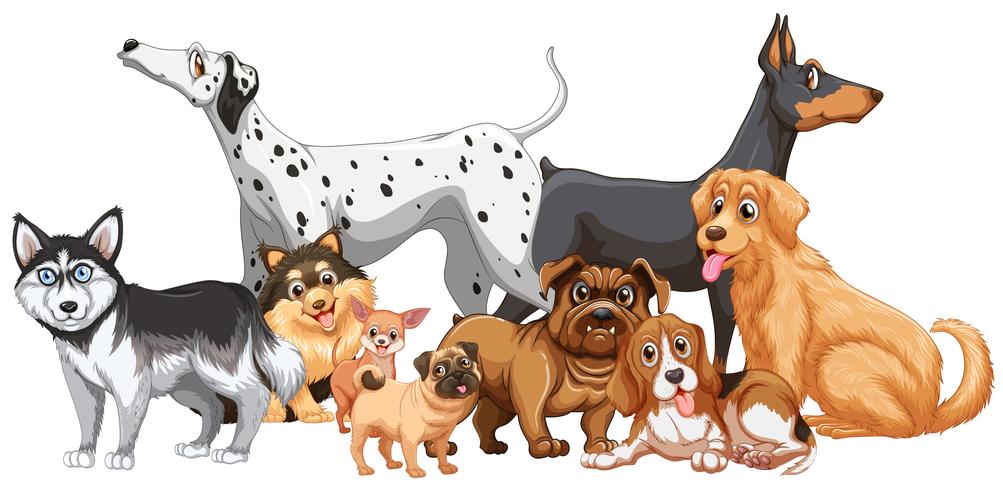
Dogs can be seen everywhere! In movies, photos of your friend’s Instagram or Facebook post, and maybe even while you’re strolling at the park. Apart from being adorable to look at, they are also known as being man’s best friend since they can protect you in their own little ways and keep you company. Below are different types of dogs that you might consider on having:
1. Tibbetan Mastiff

This still primitive dog breed was developed centuries ago in Tibet. Originally used as guard dogs for livestock and property, Tibetan Mastiffs can still be found performing that role, but they also enjoy life as a family companion and show dog.
2. Pembroke Welsh Corgi
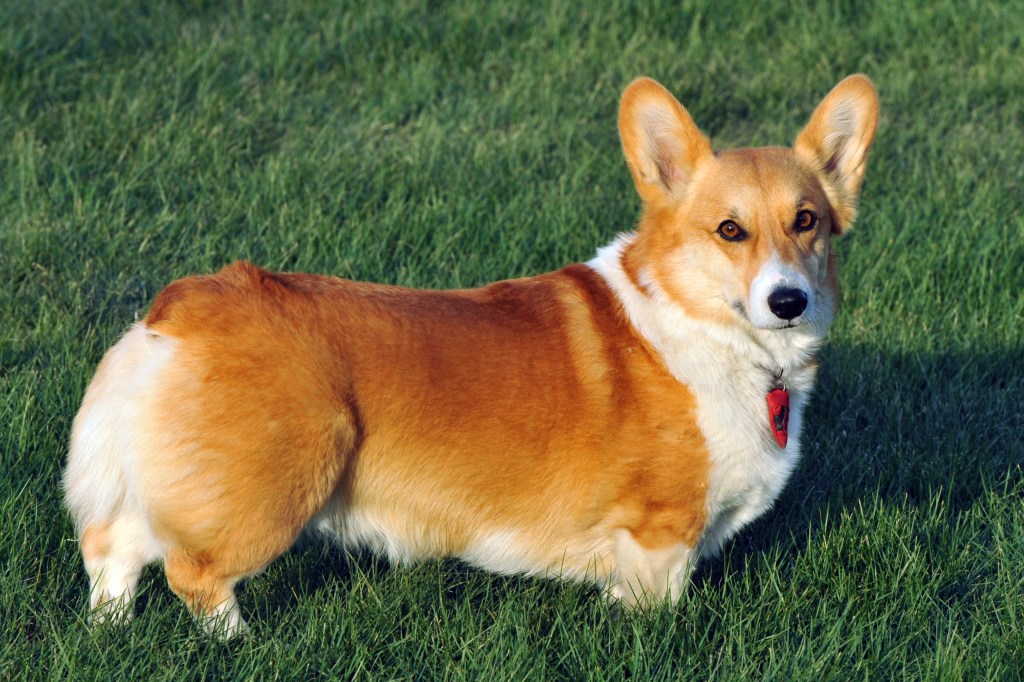
Originally bred to herd cattle, sheep, and horses, the Pembroke Welsh Corgi is an active and intelligent dog breed. Easy to train and eager to learn, Pembrokes are great with children and other pets, and you can find them in four different coat colors and markings.
3. Golden Retriever
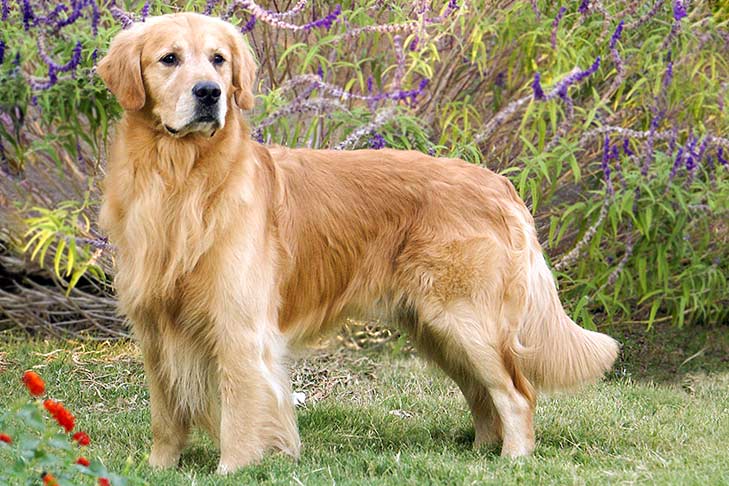
The Golden Retriever is one of the most popular dog breeds in the U.S. The breed’s friendly, tolerant attitude makes them fabulous family pets, and their intelligence makes them highly capable working dogs.
Golden Retrievers excel at retrieving game for hunters, tracking, sniffing out contraband for law enforcement, and as therapy and assistance dogs. They’re also natural athletes, and do well in dog sports such as agility and competitive obedience.
These dogs are fairly easy to train and get along in just about any home or family. They’re great with kids and very protective of their humans. If you want a loyal, loving, and intelligent companion, consider adopting a Golden Retriever into your pack.
4. German Shepherd

The German Shepherd Dog is one of America’s most popular dog breeds—for good reason.
They’re intelligent and capable working dogs. Their devotion and courage are unmatched. And they’re amazingly versatile, excelling at most anything they’re trained to do: guide and assistance work for the handicapped, police and military service, herding, search and rescue, drug detection, competitive obedience, and–last but not least–faithful companion.
5. Siberian Husky
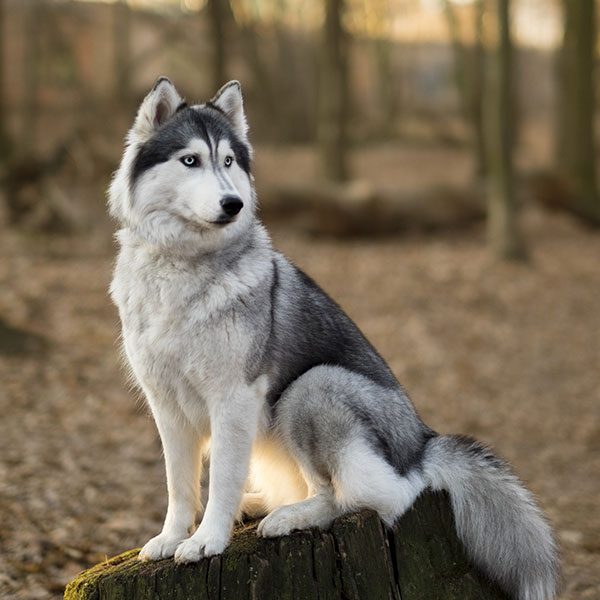
The Siberian Husky is a beautiful dog breed with a thick coat that comes in a multitude of colors and markings. Their blue or multi-colored eyes and striking facial masks only add to the appeal of this breed, which originated in Siberia.
It is easy to see why many are drawn to the Siberian’s wolf-like looks, but be aware that this athletic, intelligent dog can be independent and challenging for first-time dog owners. Huskies also put the “H” in Houdini and need a fenced yard that is sunk in the ground to prevent escapes.
6. Bulldog

Bulldogs originally were used to drive cattle to market and to compete in a bloody sport called bullbaiting. Today, they’re gentle companions who love kids. A brief walk and a nap on the sofa is just this dog breed‘s speed.
7. Akita
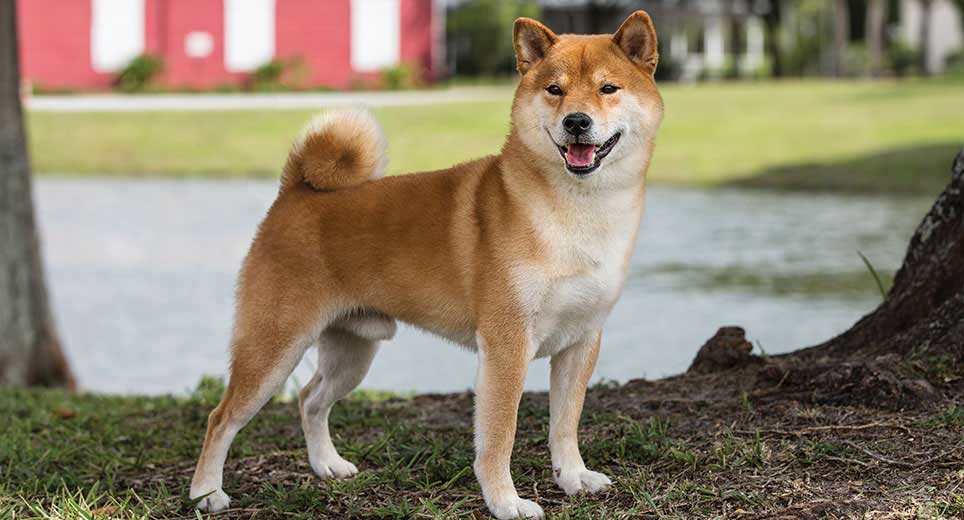
The Akita is a large and powerful dog breed with a noble and intimidating presence. They were originally used for guarding royalty and nobility in feudal Japan. These dogs also tracked and hunted wild boar, black bear, and sometimes deer. The Akita does not back down from challenges and does not frighten easily. Consequently, they are fearless and loyal guardians of their families. Yet they are also affectionate, respectful, and amusing dogs when properly trained and socialized.
An Akita is bound to shed quite a bit, and you may be wiping some drool from their face if you bring one home. Certainly, owners should be prepared for some cleanup. Furthermore, they tend to be stubborn and are not overly fond of strangers. While those can be good traits for a watchdog, they will need an experienced trainer if they are to interact with other animals or people. Novices beware. That said, dogs of this breed are faithful companions that will be attached to the right owner for life and shower them with adoration and love. Therefore, if you and your family are up for the challenge and consider adopting an Akita, you’ll have a lifelong friend that won’t let you down
8. Beagle

Small, compact, and hardy, Beagles are active companions for kids and adults alike. Canines in this dog breed are merry and fun loving, but being hounds, they can also be stubborn and require patient, creative training techniques. Their noses guide them through life, and they’re never happier than when following an interesting scent. The Beagle originally was bred as a scenthound to track small game, mostly rabbits and hare. He is still used for this purpose in many countries, including the United States.
9. Alaskan Malamute
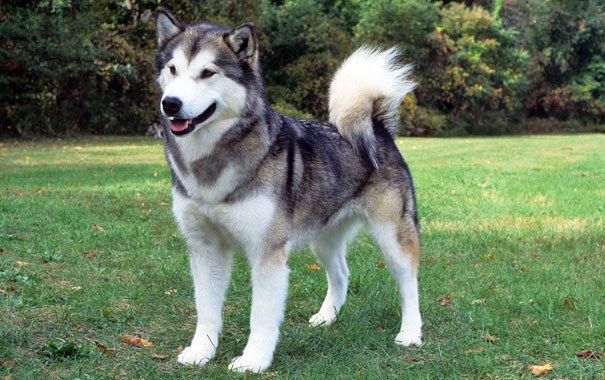
The Alaskan Malamute features a powerful, sturdy body built for stamina and strength. It reigns as one of the oldest dog breed’s whose original looks have not been significantly altered. This intelligent canine needs a job and consistent leadership to avoid becoming bored or challenging to handle.
Novice owners, beware. Dogs of this breed are sensitive and need plenty of companionship and open space. They are not well-suited to apartment life, and they are certainly high-shedding pooches who need plenty of grooming to keep their coats healthy. Expect to clean up dog hair all year long, and especially during shedding season. Alaskan Malamutes are high-energy dogs, and therefore require vigorous exercise. If you plan to leave them home while you’re at work, you may see some anxious, destructive behavior. A dog walker or pet sitter during the day is practically a must if you can’t be home, yourself. An Alaskan Malamute will do well with an experienced owner, lots of open space to roam and burn off energy, and a cooler climate. However, if you can meet this breed’s needs, you’ll have an intelligent, highly-trainable, loving companion for life.
10. Chow Chow
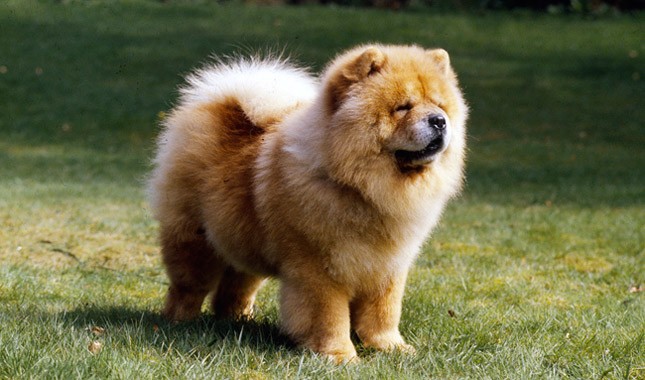
This distinctive-looking dog breed has a proud, independent spirit that some describe as catlike. He can be aloof — if you’re looking for a cuddle buddy, this probably isn’t the best breed for you — and downright suspicious of strangers. But for the right person, he’s a fiercely loyal companion.

When you think of product placement, you probably think of American productions. You might be used to seeing unsponsored ripoffs like WcDonalds and Dk. Pepper in anime, but plenty of anime make use of product placement as well. And why not? It’s a popular medium that many people view — the perfect place for an advertisement.
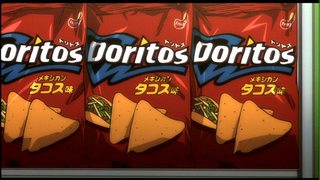
The Japanese (but not the localized) version of Code Geass, for example, has product placement for Pizza Hut. The Evangelion Rebuild series has plenty of examples, from Doritos to Kirin beer. Plenty of other examples can be found here, along with a few shots of the brand’s side of the deal: promotional images of the anime it was featured in.





Akira wasn’t just a game changer for challenging the kid-friendly Western perception of animation back in 1989. The critically acclaimed anime movie was also a technical achievement for the Japanese anime industry. Akira consisted of 2,212 shots and 160,000 single pictures; 2-3 times more than the average anime movie.
Among the anime movie’s record-breaking usage of 327 colors, 50 were created exclusively for the film. The reasoning for all this? The majority of Akira takes place at night; a setting animators commonly avoid due to increased color requirements.


You’ve probably taken Studio Ghibli’s name for granted all this time; have you ever stopped to wonder what it means? WWII buffs might recognize it as the Caproni Ca.309, an Italian WWII-era scouting aircraft nicknamed Ghibli. Arabic speakers might also recognize it for the word’s meaning: Desert Wind. Considering Hayao Miyazaki’s love for airplanes and flying, it’s not such a big surprise that he got the name for his studio from a plane.

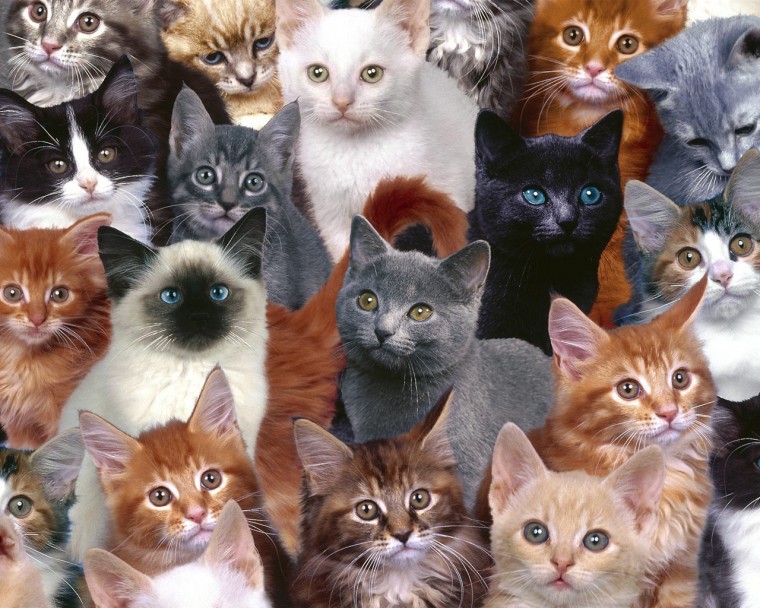
Whether you’re looking for a pet or just naturally curious about cats, you can’t get enough of them since you see them on the streets or inside some households. If you’re wondering what type of cat you want to have, check out this list below to know more about the various breeds of these adorable felines.
1. Ragdoll Cat
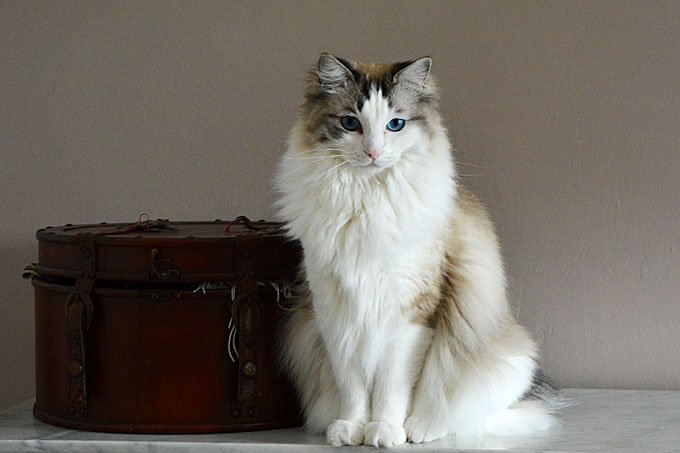
Easygoing and loving, ragdoll cats get their name from their tendency to relax and go limp in one’s arms when picked up. One of the largest breeds of cats, ragdolls are also one of the most affectionate, often referred to as “puppy-cats” because of their dog-like personality.
Ragdolls are extremely mild-mannered and friendly, and often seek out human companionship, such as following people around the house, sleeping with or flopping on their owners. This breed is particularly good with children and other pets and is easily trained to learn the same tricks as dogs, such as playing fetch, rolling over or begging.
2. Maine Coon Cat
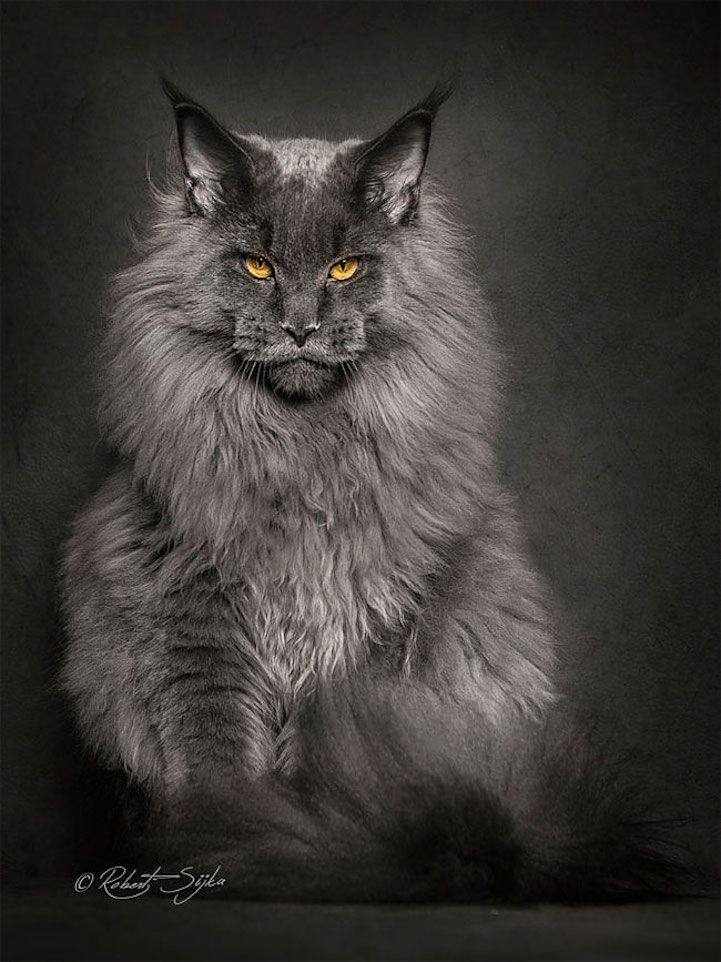
One of the oldest natural breeds in North America, Maine Coon cats are known for their intelligence and playfulness, as well as their size. One of the largest breeds of domestic cats, they are lovingly referred to as “gentle giants.”
Maine Coons are also known for their shaggy coats and rugged appearance. Full-grown male Maine Coons can grow to be 30 lbs., with females weighing a little less. These gentle giants generally reach full size by age three to five. Maine Coons are people-oriented, energetic and highly-intelligent, making them an easy breed to train. They’re also known for their dog-like behavior: following their owners from room to room, coming when called and playing fetch with their owners.
3. British Shorthair Cat
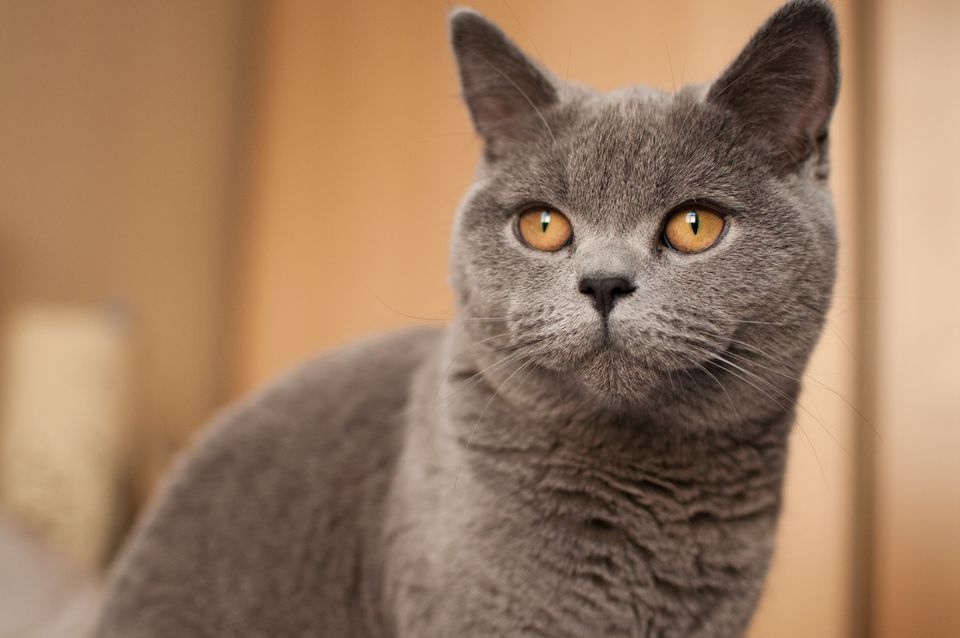
It is believed that the Romans brought the British shorthair to England during the first century, at which time the breed co-existed and bred with wild cats native to England. Many years later, the British shorthair was crossbred with Persian cats, slightly changing the look of the cat and improving the thickness of its fur coat.
Not only is it one of the most popular cat breeds, it is also commonly selected to appear on TV, in movies and even in books. You might recognize the cat in many Whiskas brand ads as a British shorthair. The cat raised from the dead in Stephen King’s Pet Sematary (“Winston Churchill”) was a British shorthair, as was “Arlene” in Garfield: The Movie and the “Cheshire Cat” in Alice’s Adventures in Wonderland, just to name a few.
4. Persian Cat
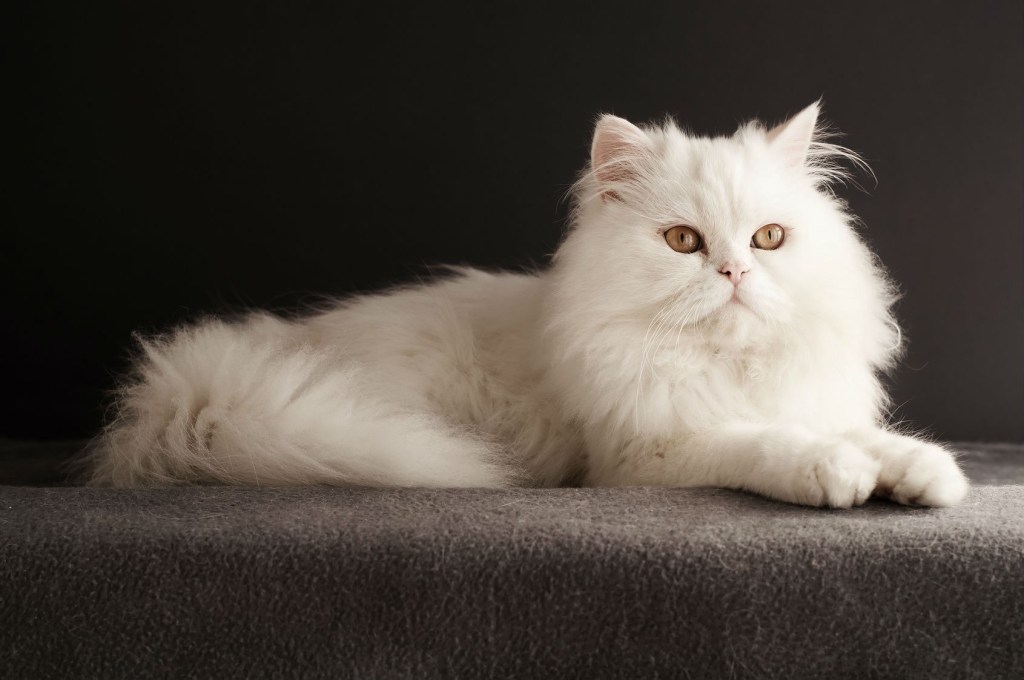
Known for their gentle, laid-back personalities, sweet faces and round eyes, Persian cats are affectionate, quiet, beautiful creatures of habit, making them the most popular breed among cat fanciers.
Persian cats are not only the most popular breed of cats, they’ve also been around the longest. In fact, hieroglyphics reference their origination as far back a 1684 B.C. Thought to have originated in Persia (now Iran), the cats were named after their believed “country of origin.” Although the breed has evolved over time in color and body type, one thing has remained the same: its thick and full fur. Ideally, Persians should be groomed at least once a day to prevent knots and matting of the fur. Persians should also be bathed occasionally to maintain a clean and healthy coat.
5. American Shorthair Cat
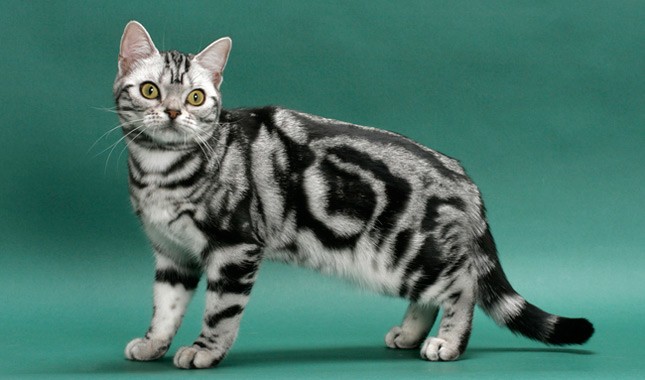
The American shorthair cat has a reputation as “America’s breed”. The first cats of this type were brought over from Europe with early settlers. Today, the American shorthair is a family favorite. It consistently ranks as on of the 10 most popular cat breeds. The breed is known to have a very even temperament with a good disposition and keen intelligence. Another testament to its mellow nature is the shorthair’s ability to get along with other pets and its gentle nature around children. A shorthair is considered an ideal pet for a working family with children.
6. Exotic Shorthair Cat
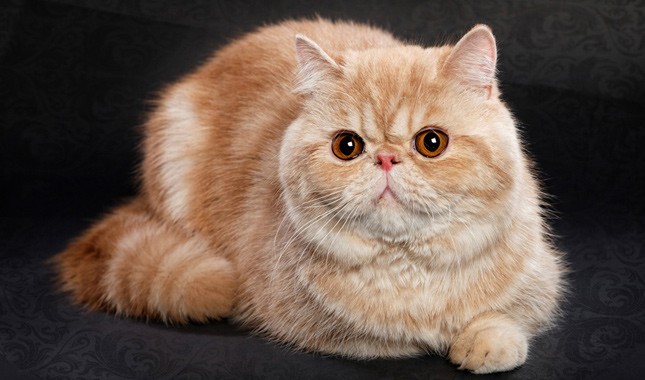
For the third year in a row, the Exotic cat has been named as America’s most popular registered cat, knocking the Persian off the podium again after 31 years as the reigning No. 1 breed. The Exotic (also called the Exotic shorthair by some cat associations) is a cross between Persians and American Shorthairs.
Exotic cats are bred to meet the Persian standard in almost every way with one exception: their coats. Exotics, unlike their Persian counterparts, have short, thick, dense coats, making them popular among people who enjoy the Persian personality but don’t want the hassle or the time required for daily grooming. The Exotic personality tends to mimic that of a Persian: sweet, affectionate and playful. Exotic cats are known to show more affection and loyalty than other feline breeds, and commonly follow their owners throughout the home.
7. Scottish Fold Cat
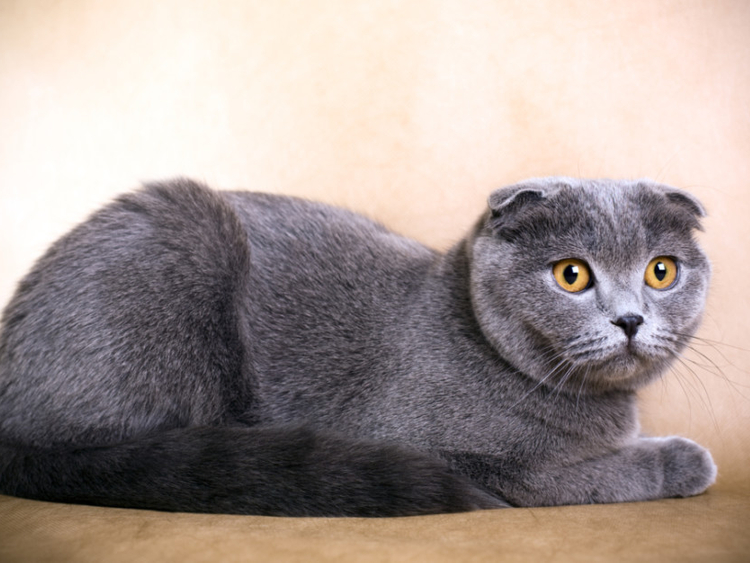
Sweet natured and demure, many Scottish fold cats have a feature unlike any other cat: folded ears that give the breed an owl-like appearance.
Scottish fold cats are known to possess an easy-going nature, and to be very loving and friendly with people and other household pets. This breed, outgoing and playful, tends to become particularly attached to one family member. The Scottish fold cat is also known for its soft voice and the ability to “speak” in a variety of different-sounding purrs and meows not commonly heard in many other cat breeds.
8. Abyssinian Cat
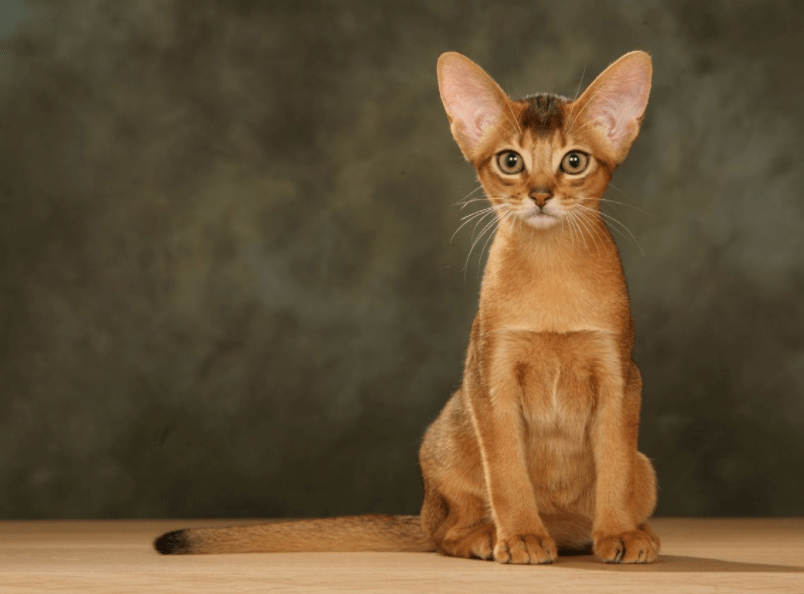
Abyss, as they are lovingly called, are elegant and regal-looking, easy to care for and make ideal pets for cat lovers.
Lively and expressive, with slightly wedge-shaped heads, half-cupped ears, medium length bodies and well-developed muscles, Abyssinians have long, slender legs and their coats are short and close-lying to their bodies. Their overall appearance bears a resemblance to ancient Egyptian cats. Abyssinians are not lap cats, but are affectionate, loyal and normally mix well with children and other pets. Known for their curiosity, playfulness and need to explore their surroundings, Abyssinians are people-oriented cats who like to participate in the activities taking place around them.
9. Devon Rex Cat
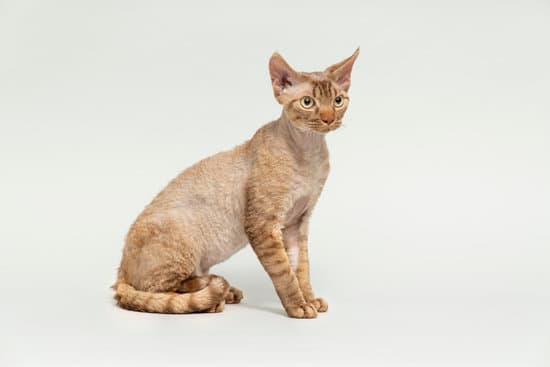
The Devon Rex is a relatively newer breed of cats, discovered by accident in the region of Devonshire, England, in 1960 and has been called many things: a pixie cat, an alien cat, a cat that looks like an elf — or a bat. It is also known to behave more like a dog than like a cat.
With its unique appearance, the breed has captured the attention of cat lovers worldwide—and the hearts of its families with its lovable, quirky and mischievous personality.
10. Sphynx Cat
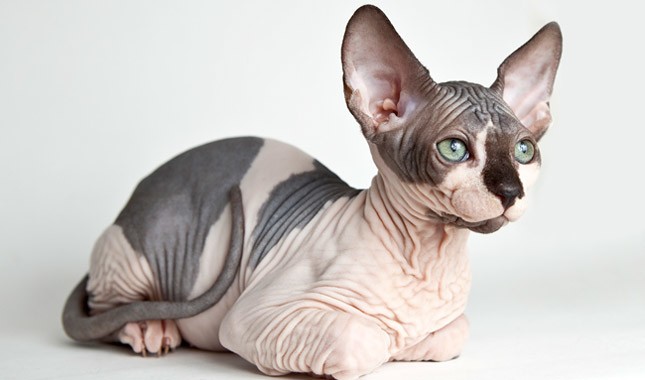
The Sphynx, a hairless, wrinkled wonder with big ears and eyes and pronounced cheekbones is one of the newer cat breeds. The first Sphynx was born in Canada in 1966, according to the CFA. The lack of hair, a genetic anomaly, was a result of Mother Nature and occurs about once every 15 years.
Since this time, the Sphynx has been bred with traditional shorthair cats, and then bred back to hairless to create a genetically sound, healthy breed. The breed’s unique look has caught the eye of many cat lovers. Though rare, it has recently become one of the most in-demand cats in the U.S. The Sphynx is definitely a “people cat”. They are energetic, silly and playful, and love to be the center of attention. The Sphynx is not an outdoor cat. Because their skin is exposed, Sphynx cats need to be protected from the elements. That doesn’t mean they can’t go outside; just that they should not live outdoors.

 articlesbycarlos.car.blog